

Keep Your HVAC System Safe From Your Children

12 June 2018

Share this article

Family relaxing on a living room couch while two children crawl on the floor toward a toy car.

Kids get into everything, don't they? In fact, parents of young children are often required to child-proof their homes in surprising ways. One of the parts of the home that parents must keep shielded from their children is the HVAC system. The following tips will help you protect your HVAC system from playful, and sometimes destructive, child behaviors.

Guard the Condenser

The condenser is the part of your air conditioning system found outside your home. The outside of the condenser is made up of metal fins that enable air to flow into and out of the condenser. The fins are very delicate and can easily be bent. When this happens, air flow is restricted inside the unit.

Children who climb on the condenser may accidentally bend the fins. In addition, some children may drop little pieces of debris into the condenser if they're playing around the unit. This, too, can reduce air flow in the unit by covering the coils with dirt and random organic material.

The best way to protect your condenser is to render it inaccessible for your children. There are many things that can be used to protect your condenser, including a fence or a wall of shrubs. Either way, the condenser needs adequate space to promote air flow. Keep all fences and shrubs at least two feet away from your condenser.

Additionally, if you decide to plant shrubs around your condenser, choose shrubs that do not shed leaves or needles. Any leaves or needles dropped on the ground should be cleaned up to prevent them from clogging the fins of your air conditioner.

Tighten the Vent Covers

Kids, especially older children, might like to hide things in HVAC vents. However, this can create a blockage that can make temperature control difficult in your home. To avoid your children getting into the vents, tighten the screws that hold the vent covers in place.

If a vent seems to not be functioning very well, or if a room seems to be a different temperature from the rest of your home, take the vent cover off and peer into it with a flashlight. This could reveal your problem, thus preventing an appointment with the HVAC repair person.

Institute a Lock Feature on Your Thermostat

Kids like to push buttons. Using a lock feature on your thermostat can prevent your children from changing your thermostat without your knowledge. Some smart thermostats can be locked with a password, so if you have a smart thermostat, check the owner's manual to find out if and how you can add a password.

If your thermostat has no password feature, purchase a cover for your thermostat, which can protect it from curious fingers. Thermostat covers are available for sale in home improvement centers and sometimes hardware stores. Some covers can be locked with a key and others open without a lock. You can decide for yourself which one is best for you.

Have Your HVAC System Inspected Routinely

It's a good idea to have your HVAC system inspected by a professional on an annual basis, especially with little kids in the house. Contact your HVAC contractor at the same time every year for an inspection and tune-up.

Your HVAC contractor can look for parts of the HVAC system that may have been damaged by horseplay and mischief and make recommendations for repairs. Your HVAC contractor can also make suggestions that will help you protect your HVAC system in the future.

Do you have more questions about how you can protect your HVAC system from your children? If so, contact Haskins Heating & Cooling. We're happy to help you solve any HVAC problems.

Recent Posts

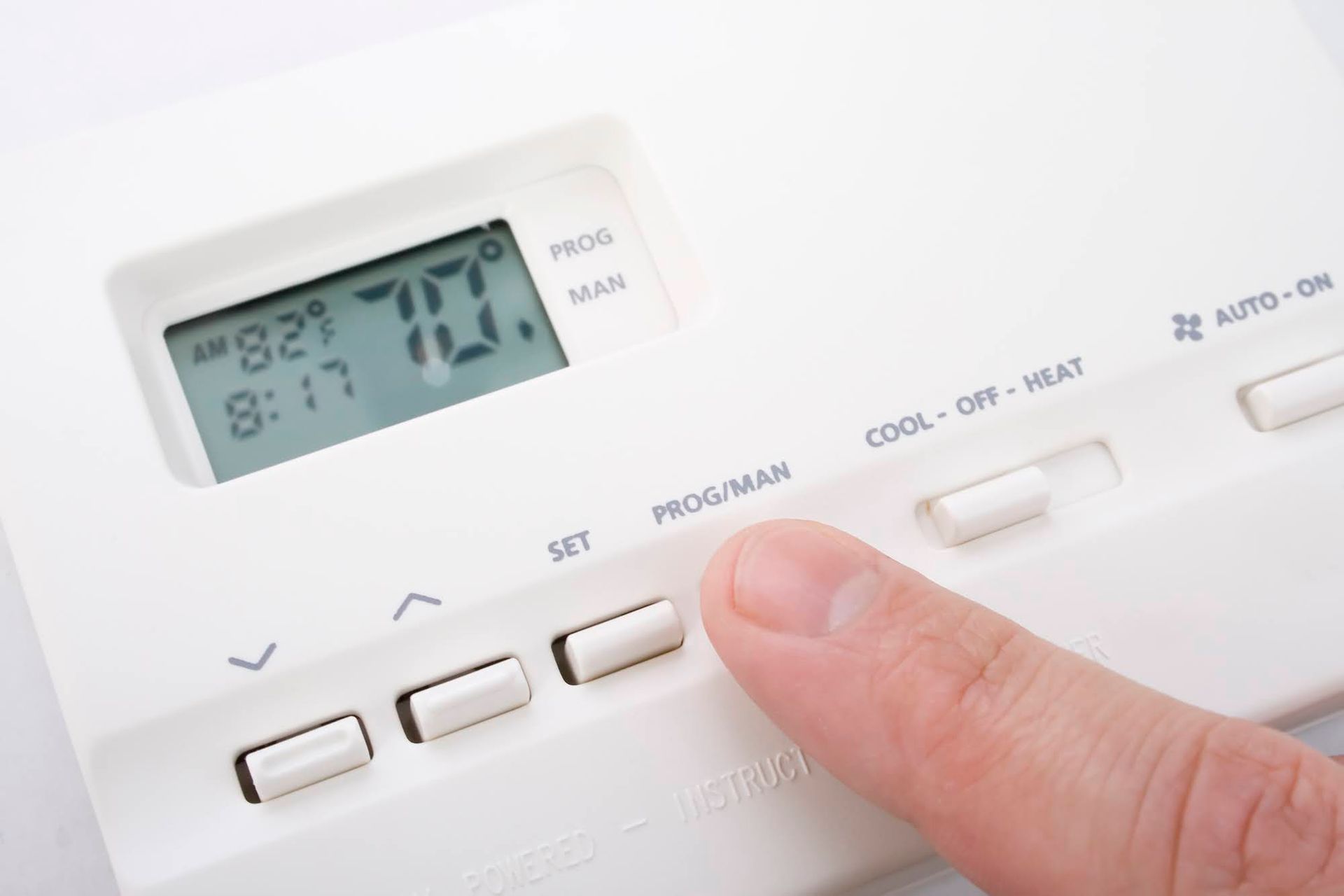
Hand pressing a white thermostat control panel showing a digital temperature display
26 April 2023
Unfortunately, thermostats can begin to malfunction over time. Learn the four signs that you should take action to help you maintain your thermostat.
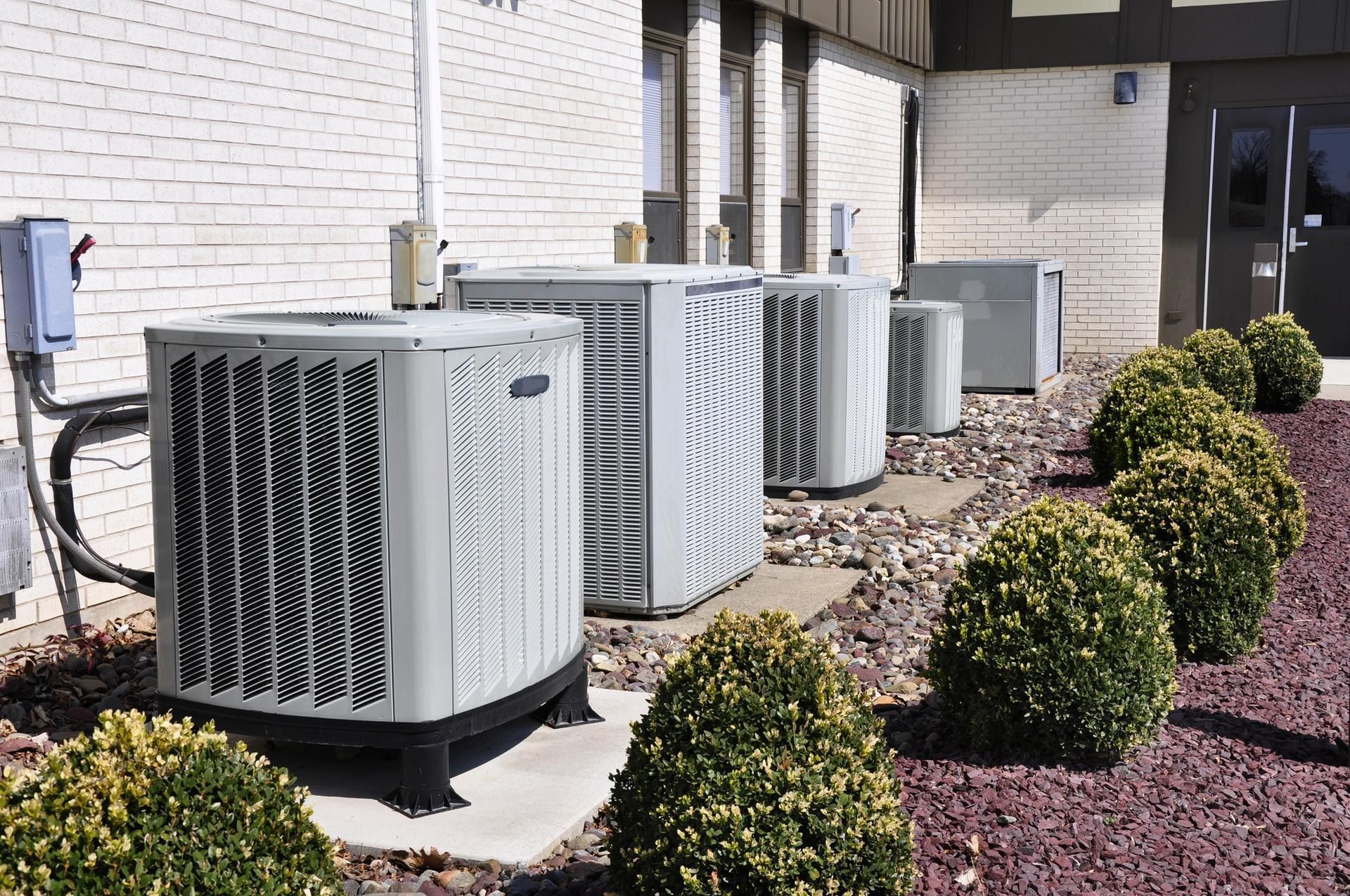
Row of outdoor HVAC units beside a white brick building with neatly trimmed shrubs and gravel landscaping
24 March 2023
Most home appliances produce various types of noises throughout the day. Learn about the good and bad sounds that can emanate from your unit.
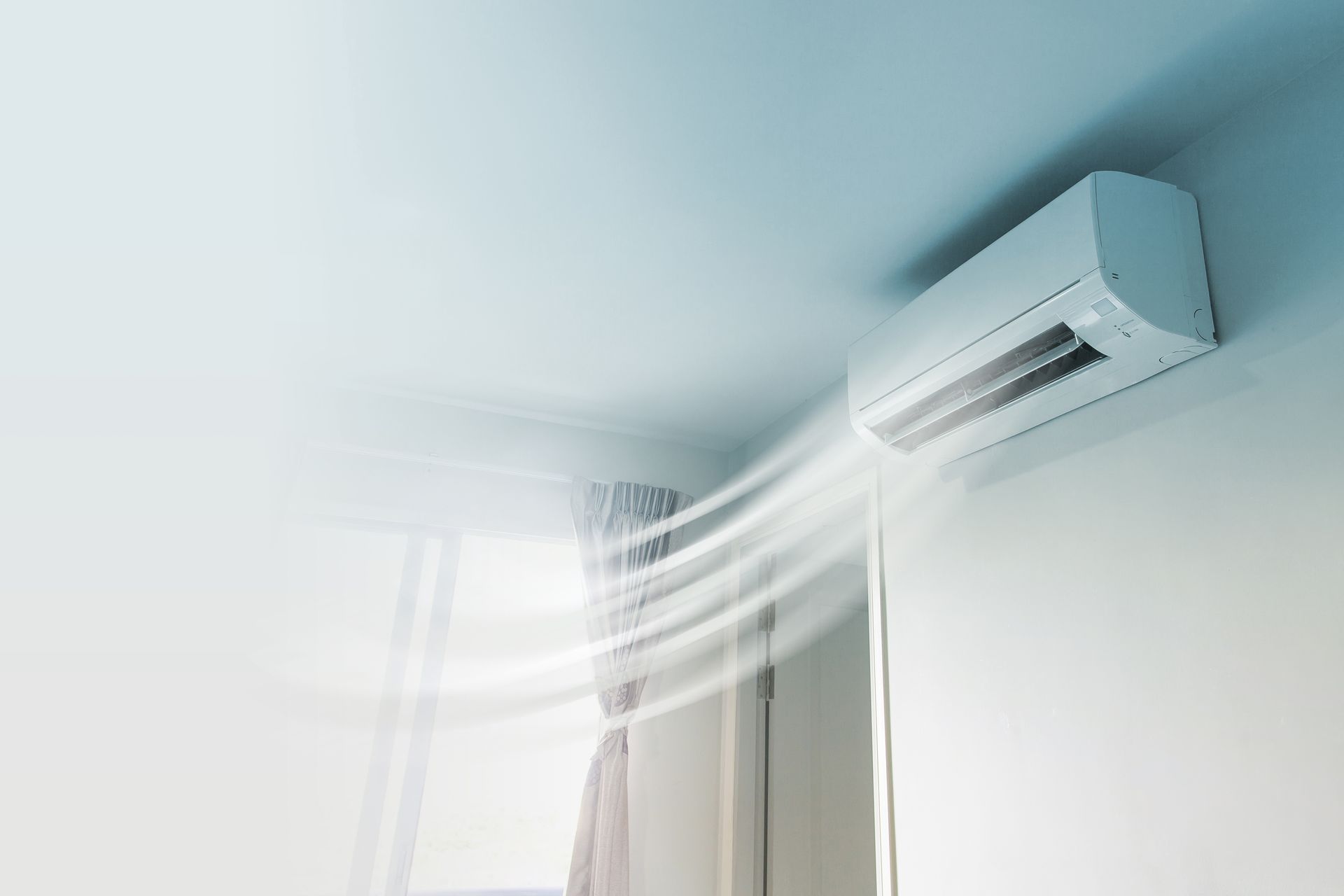
White room with a wall-mounted air conditioner blowing cool air near a window.
8 March 2023
Ductless air conditioners may be the best way to cool down your house. Read our blog to discover seven advantages of ductless air conditioners.

Woman pinching her nose, looking to the side, against a dark background
2 February 2023
A smelly furnace is a good sign of a problem with your heating system. Read this blog to learn what causes various odors in furnaces and heating systems.
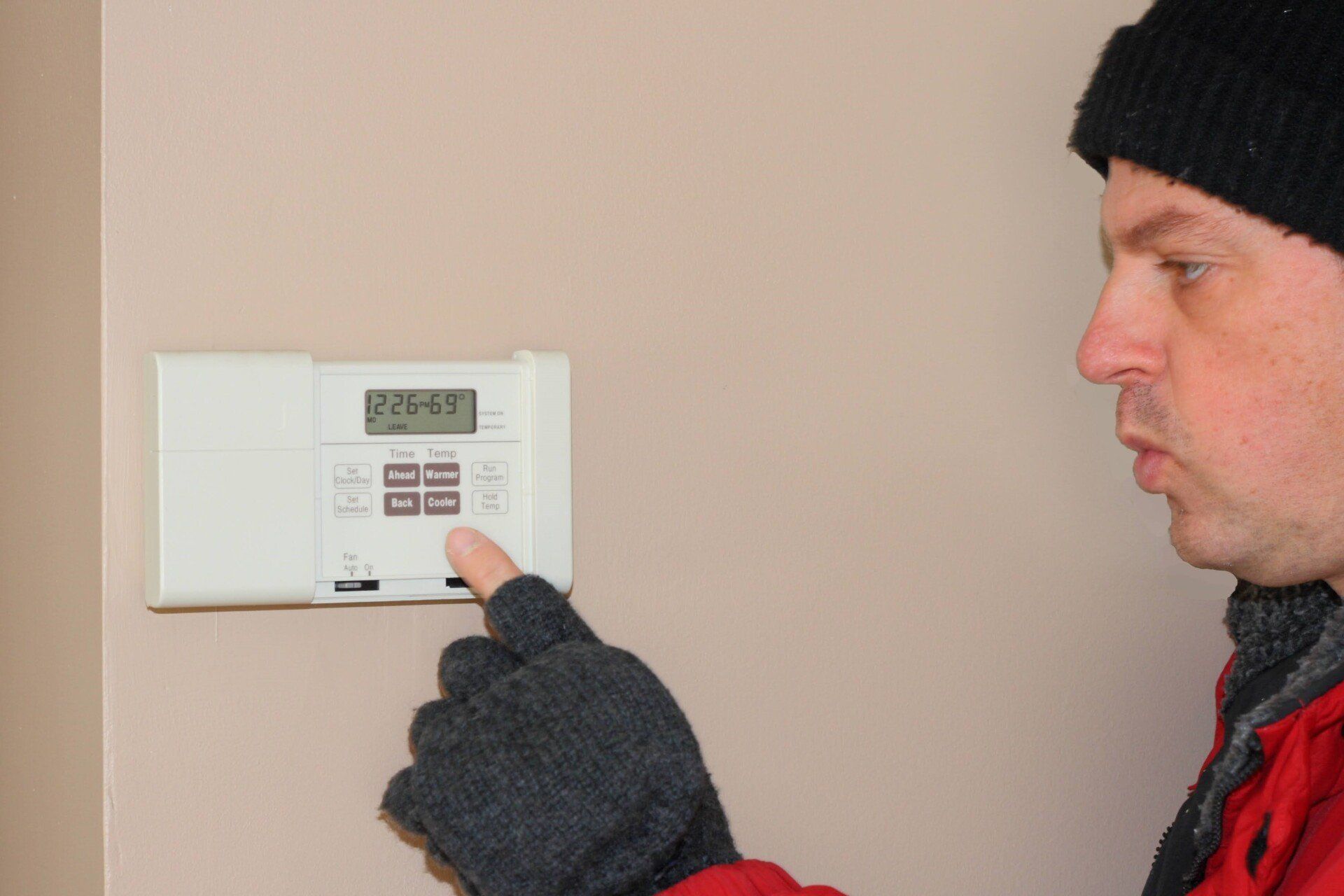
Man in red jacket pressing buttons on a wall-mounted thermostat control panel
8 December 2022
6 Top Heating Problems In Winter Heating experts are busiest in winter because many heating systems break down or need servicing to withstand the cold weather. You must be vigilant during this time as
Hand holding a white filter panel beside a large black appliance on a concrete floor
7 December 2022
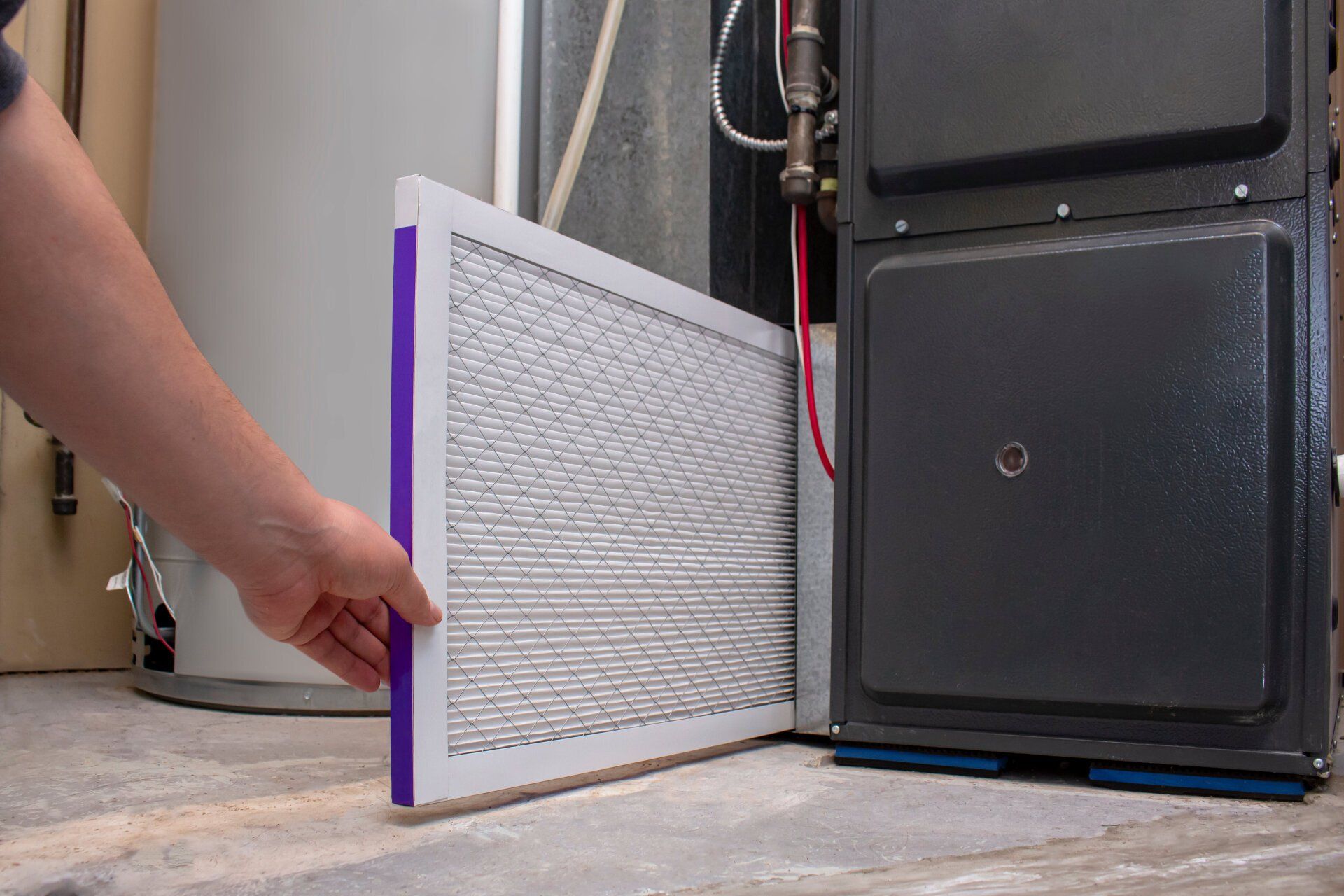
When you shop for a furnace, you may need clarification on the right type for your home. Learn about two types of furnaces you might choose.
Large industrial cooling fans on a building exterior with bright sunlight streaming in from the right
12 September 2022
Does your HVAC need a professional replacement? If you are unsure, read this blog to learn about telltale signs that a replacement may be necessary.
Window air conditioner mounted on a white exterior wall beneath a corrugated roof
4 October 2018
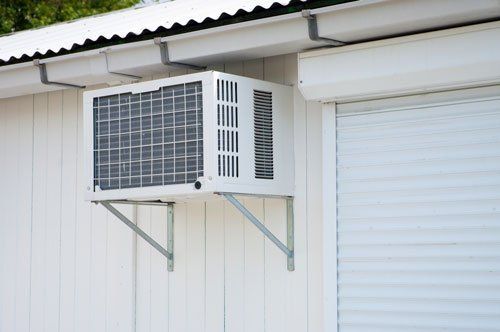
This article explains how subcooling affects the efficiency of your air conditioning system. Read on to learn more about the subcooling process.

Buffet counter with trays of carrots, diced squash, broccoli, and corn in a kitchen
3 August 2018
Working in a restaurant kitchen doesn't have to be unbearably hot this summer. Follow the tips on this blog to keep your kitchen cool.
Close-up of a dusty HVAC filter or air vent with black frame and metal grille.
5 June 2018
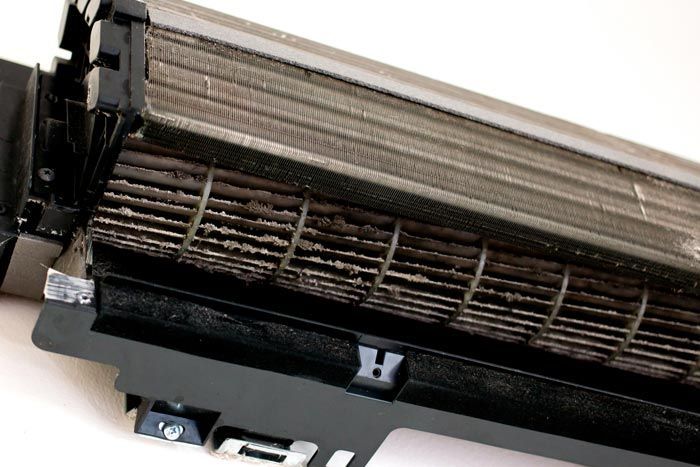
Your home's central air conditioning system is made up of thousands of components. Contact an HVAC service today to learn more about maintenance.

Show More