6 Top Heating Problems in Winter
8 December 2022
Heating experts are busiest in winter because many heating
systems break down or need servicing to withstand the cold weather. You must be
vigilant during this time, as a heater malfunction means staying in the cold
until you get an HVAC technician to your home. Discover six common heating
problems that manifest in cold weather.
1. Cold Spots
Your heating system should warm all areas of your home
evenly for maximum comfort. However, you may find that some spots are colder
than others, especially if you have a multi-story house.
Cold spots occur for many reasons, such as an
improperly-sized HVAC system that struggles to heat your home. So, expert HVAC
installation is critical to avoid installing an oversized or under-sized
heating system.
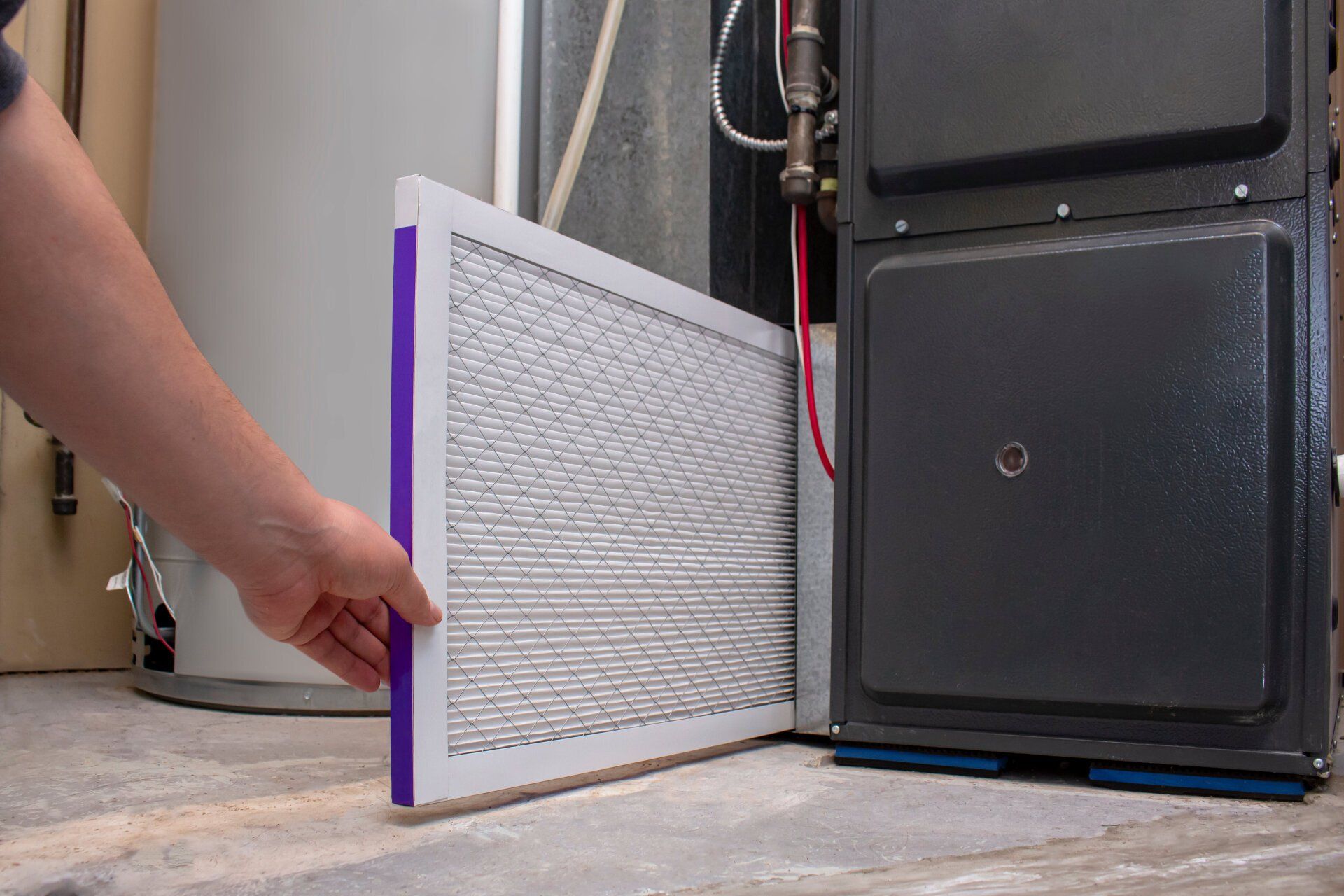
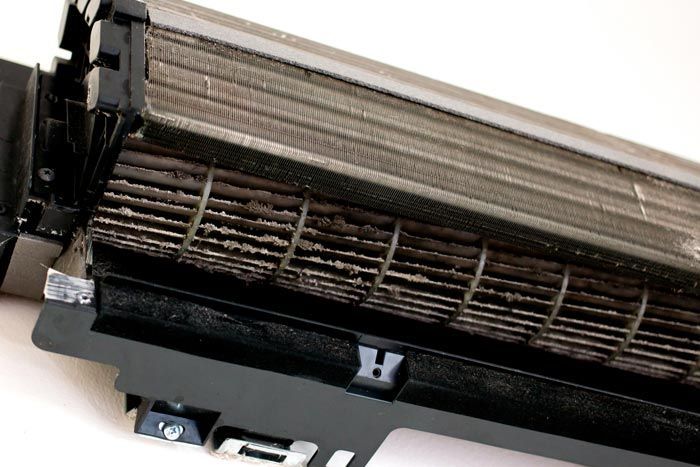
Dirty air filters also affect the furnace's function, and
cleaning or replacement is necessary to facilitate proper airflow.
Leaking ductwork is an invisible problem that leads to
energy losses if not solved quickly. Ask your HVAC expert to check for leaky
ducts in the attic and other crawl spaces because they cause the loss of heated
air.
Other causes of cold spots are an aging heating system,
improper thermostat problems, and pilot light issues.
2. Short Cycling
Short cycling is a heating issue in which your furnace or
heat pump turns on and off rapidly. A properly-functioning heating system
cycles between 3 and 8 times every hour.
Short cycling typically arises from an oversized heating
system, which consumes more energy than needed to warm your home. As a
result, your energy bills increase, and you must replace components often
because the constant turning on and off stresses the parts in your furnace or
heat pump. Incorrect thermostat placement, dirty filters, and poor airflow also
cause short cycling.
3. Airflow Issues
Your furnace may work correctly, but your vents might not
direct sufficient air into your home. Check that the vents' louvers are fully
opened, as people accidentally shut them or obstruct them with furniture.
A lack of adequate return vents also causes poor air
circulation, but this issue requires expert diagnosis. Your HVAC technician
will check for leaks in the ductwork, blow motor issues, or problems with the
damper system.
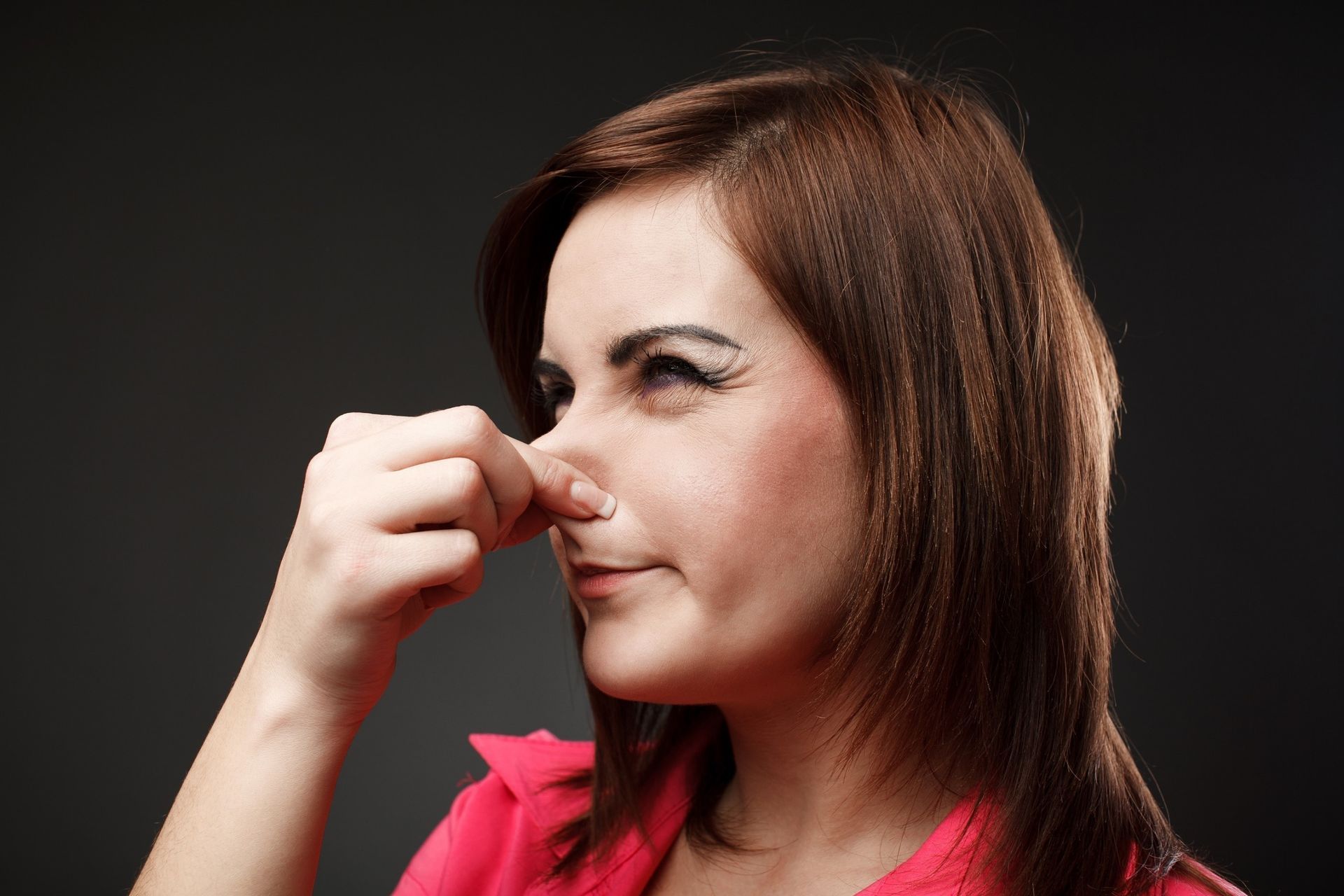
4. Burning Smell
After being out of commission for several months, your
furnace produces a burning odor when you fire it up. However, this smell lasts
for a short time and shouldn't persist throughout the furnace's operation.
A continued burning smell indicates wiring issues or an
overheated blower motor caused by dirty air filters and damaged bearings. Don't
fix these problems on your own since they are hazardous and require the
expertise of a seasoned HVAC professional.
5. Unusual Noises
Furnaces, like other home appliances, emit a low humming
sound when running. However, furnace sounds that keep your family up at night
indicate serious issues that require professional intervention.
The type of noise can signify which part of the heating
system requires attention. For instance, unlubricated or damaged ball bearings
produce squealing noises, while clanking sounds indicate unburned fuel
problems. Your HVAC contractor will also check the ignition, fan belts, and
loose components to identify the source of the noises.
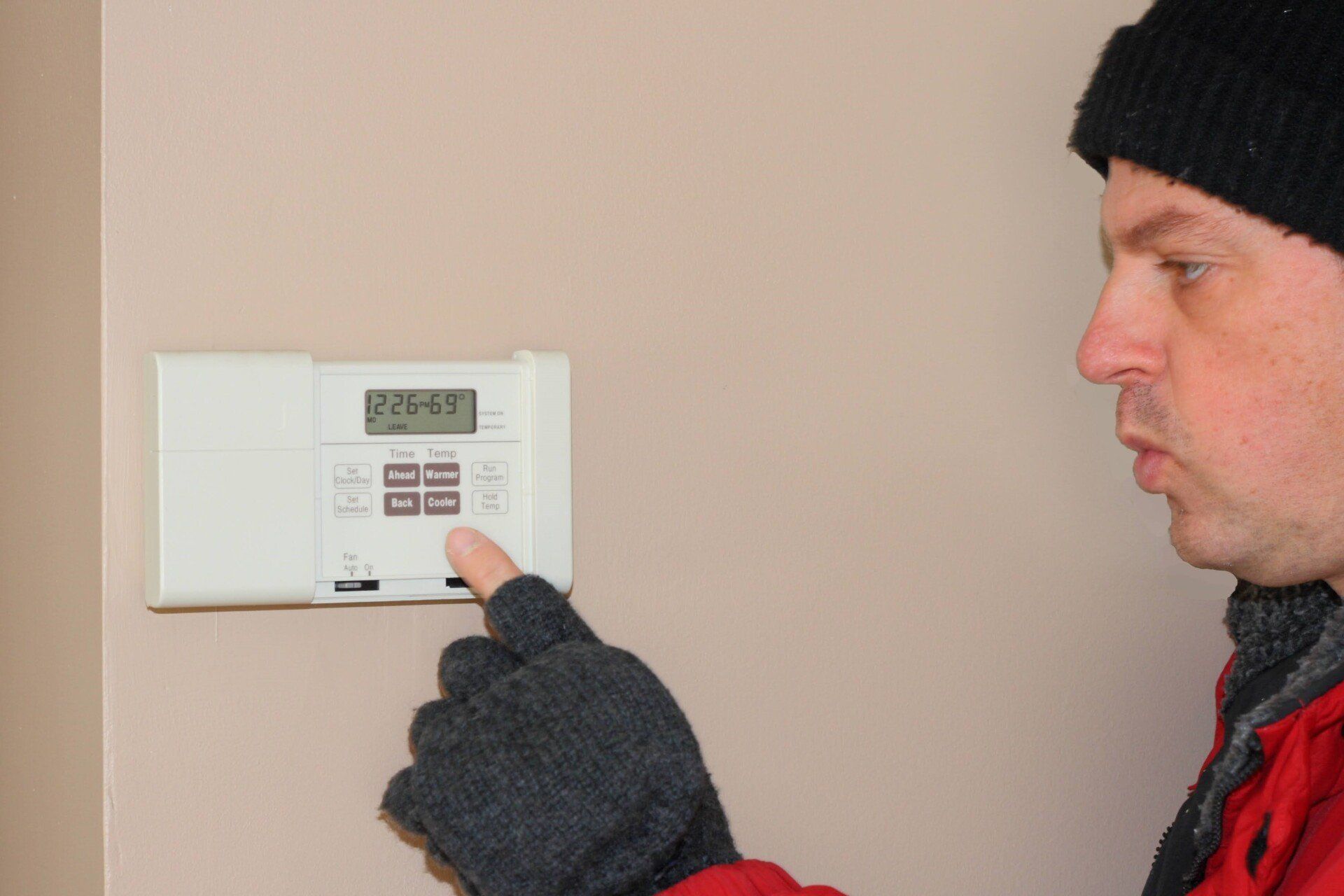
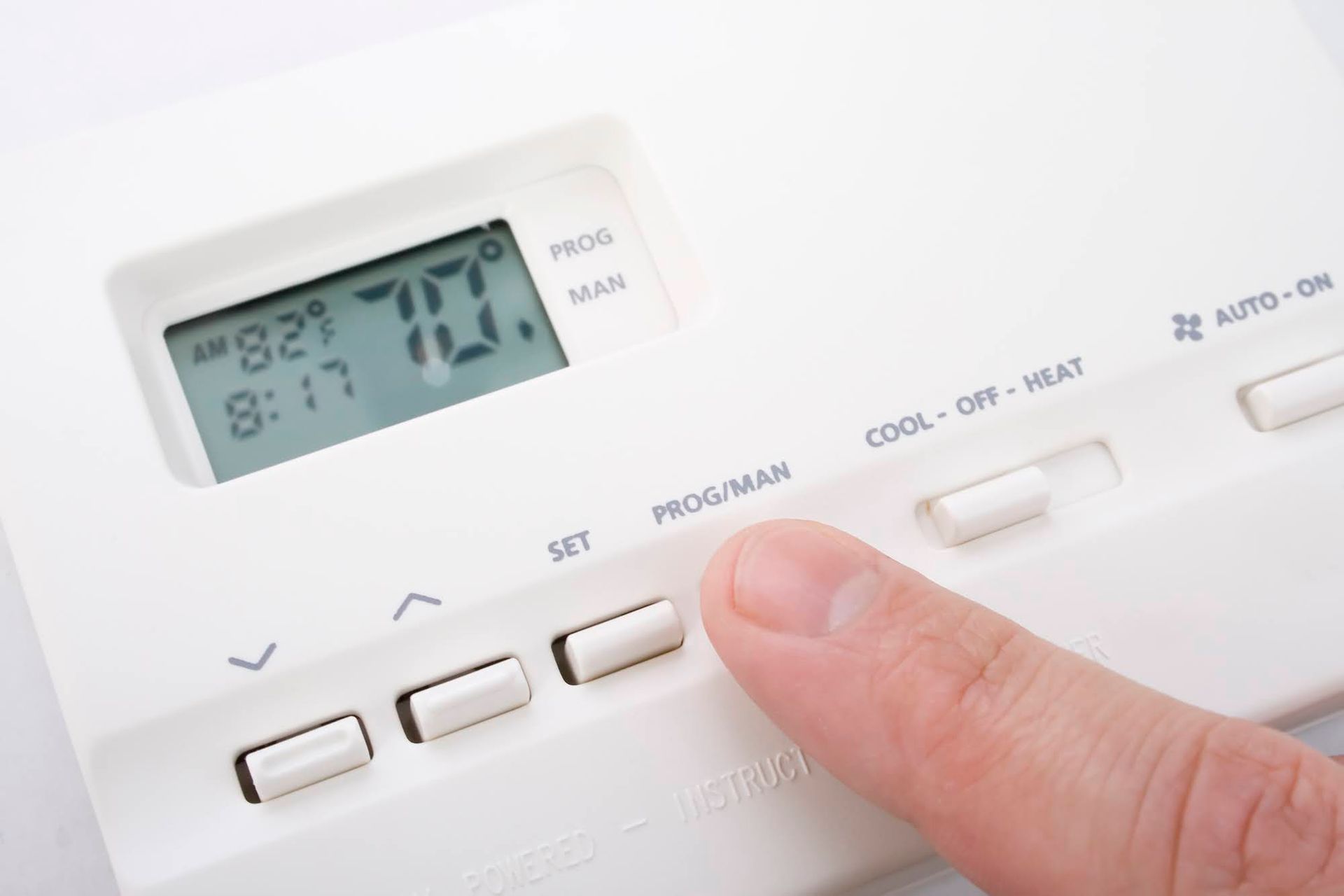
6. Faulty Thermostat
At times the furnace isn't to blame for heating issues.
Your thermostat functions as your heating system's control panel, and any
problems interfere with the furnace's overall function. In other cases, you may
adjust the thermostat settings with little to no effect on your home's
temperature.
Thermostat issues range from wrong placement, wiring
glitches, or improper installation. Consider making the upgrade to a smart
thermostat to easily monitor heating problems on your phone.
Heating problems are frustrating and dangerous in winter,
as they leave your family in the cold. Contact us
today at Haskins Heating & Cooling for heating checkups and prompt furnace
repair.